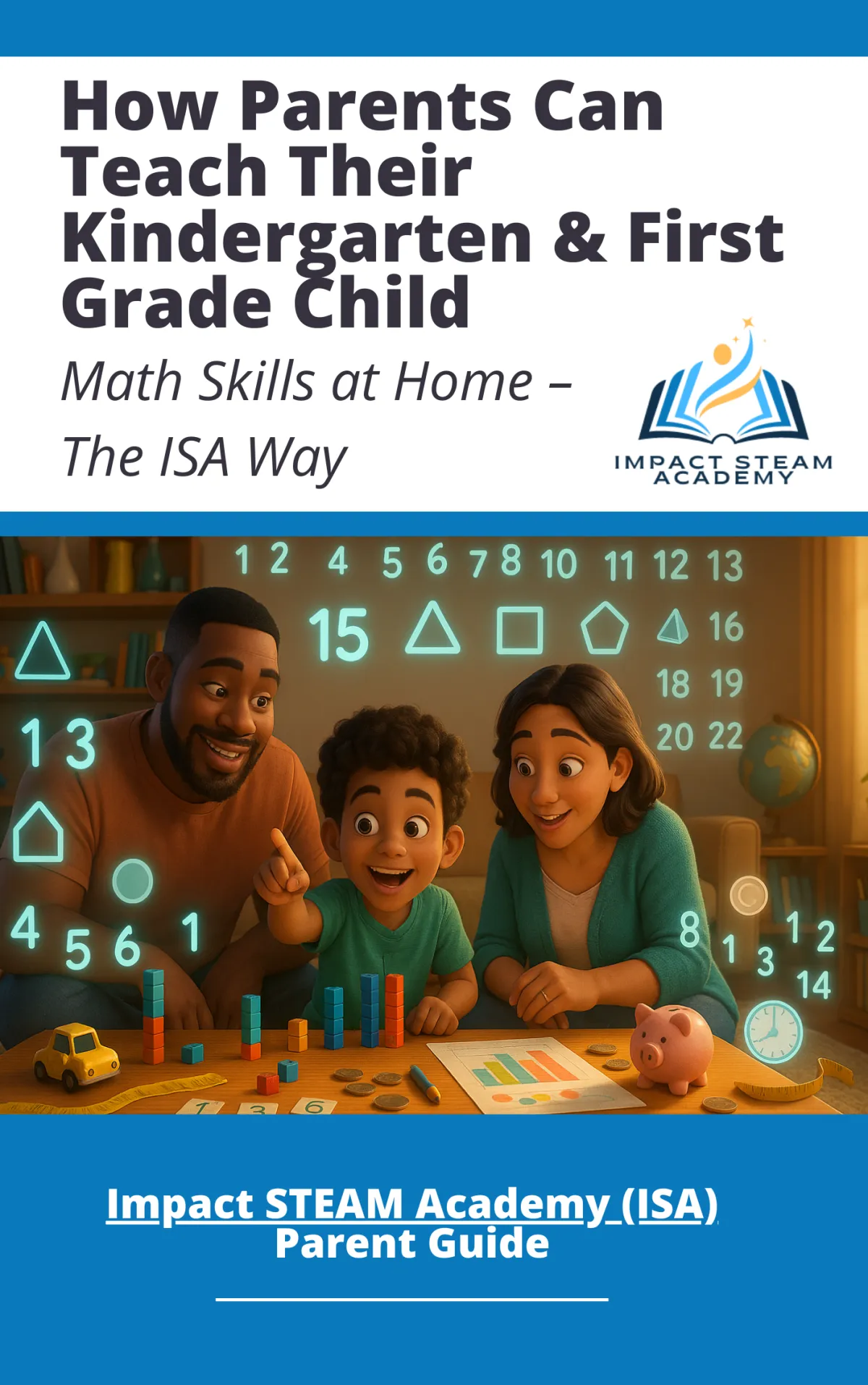
This ebook, is a friendly, practical guide that shows parents how to turn everyday life into powerful math learning for their K–1 children—without needing to be “good at math” themselves.
It begins by introducing the Impact STEAM Academy (ISA) way:
1
The Engineering Design Process
Hands-on, creative, project-based learning powered by the engineering design process—Ask, Imagine, Plan, Create, Improve.
2
Hands-On, Interactive Learning
ISA’s philosophy is that children learn math best when they’re actively exploring, building, and solving real-world challenges, not just filling in worksheets.
3
Real-World Situations With Many Possible Solutions
This ebook reassures parents that short, playful math moments at home can significantly boost their child’s confidence and school success.
This Ebook Speaks Directly To Parents Whose Children “Don’t Like Math” Or Feel Unmotivated.
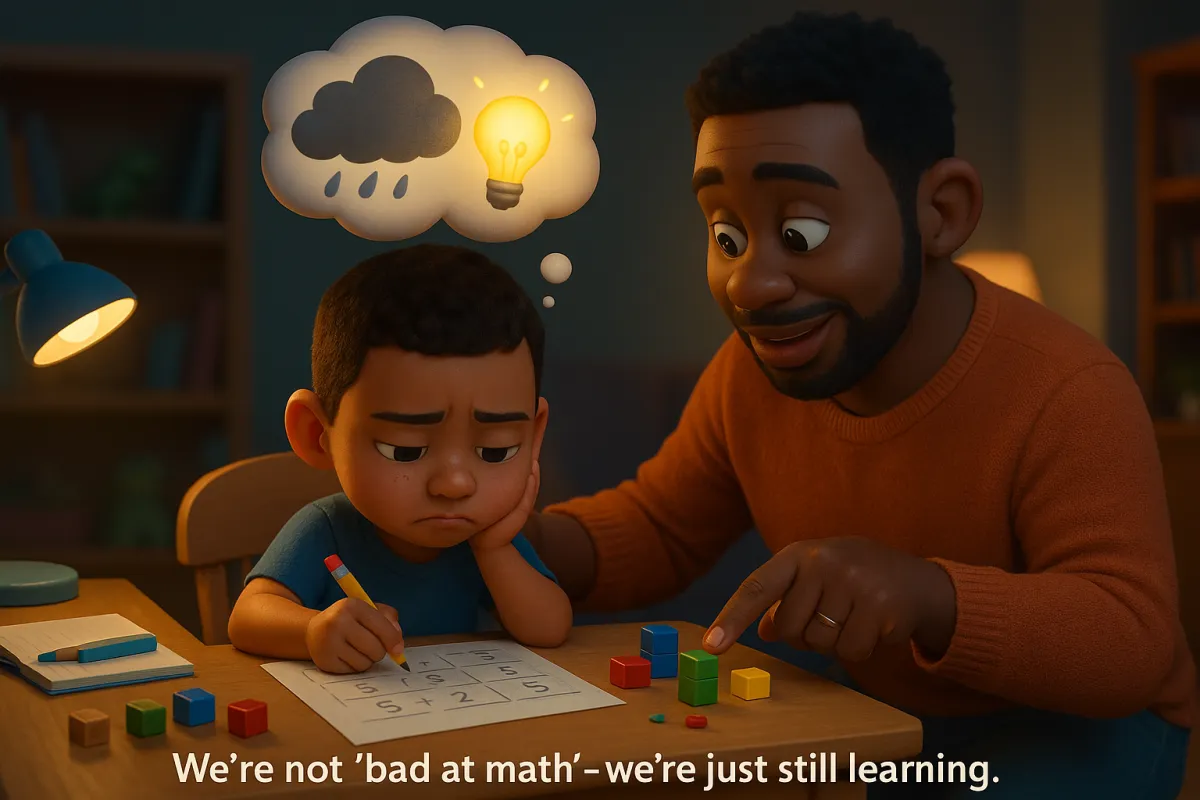
It offers positive math-talk phrases, mindset tips, and ways to connect math to what kids already love (art, cooking, building, games). It emphasizes praising effort and strategies rather than “being smart,” and helping children manage frustration so they see themselves as capable learners.
Every concept comes with simple, no-prep activities using everyday items (snacks, toys, paper, blocks) and an “ISA Design Challenge” that turns the math idea into a mini project. These challenges encourage kids to think like young engineers and problem-solvers—planning, creating, testing, and improving their own math creations.
The Main Chapters Walk Parents Through The Key Areas Of Early Math:
Numerical Reasoning – Understanding numbers, counting, place value, comparing quantities, and building early addition and subtraction skills through snack counting, number hunts, toy stores with tens and ones, “who has more?” games, and real-life story problems.
Patterning & Algebraic Reasoning – Using beads, claps, socks, and art to explore repeating patterns, growing patterns, and simple graphing with everyday surveys like favorite fruits or activities.
Geometric & Spatial Reasoning – Discovering shapes and their properties through shape hunts, block “Shape City” building, forts, and simple paper puzzles that strengthen spatial awareness.
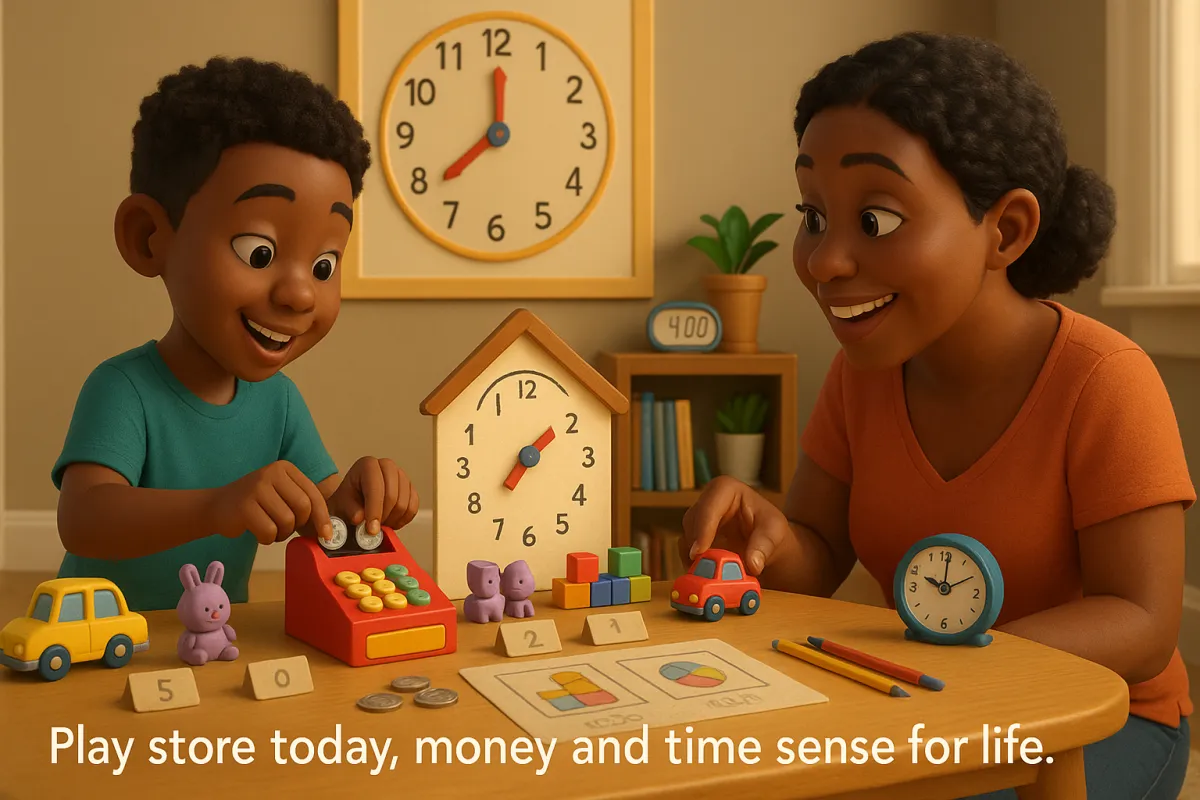
Measurement Reasoning – Comparing length, weight, and capacity using feet, blocks, and household items, plus playful introductions to money and time with “play stores,” clocks, and daily routines.
Data & Statistical Reasoning – Helping children ask questions, collect data, make simple graphs, and talk about “most,” “least,” and “same” using family surveys and toy counts.
Finally, the book includes a simple weekly “ISA Home Math” routine, showing parents how just 5–10 minutes a day—plus one small weekend project—can build strong math foundations over time. The closing encouragement reminds parents that they are their child’s first and most important teacher, and that by using these ISA-style, hands-on strategies, they’re not only teaching math—they’re shaping confident, curious, future-ready problem-solvers.